WP Pulse

The latest Gutenberg release packs 388 merged pull requests into one of its most feature-rich updates yet. Highlights include color-coded revision diffs, cursor-aware real-time collaboration, a new Icon block with server-side SVG registration, and gallery lightbox navigation. Two long-running experimental features, Navigation Overlay and client-side media processing, finally graduate to stable.
See what's new
WPBeginner went hands-on with WordPress 7.0 Beta 1 and called it one of the most meaningful releases in recent memory. The April 9 launch brings native collaborative editing, a standardized Web Client AI API, a revamped admin UI with view transitions, and two new blocks. If you haven't tested the beta yet, now is the time.
See the screenshots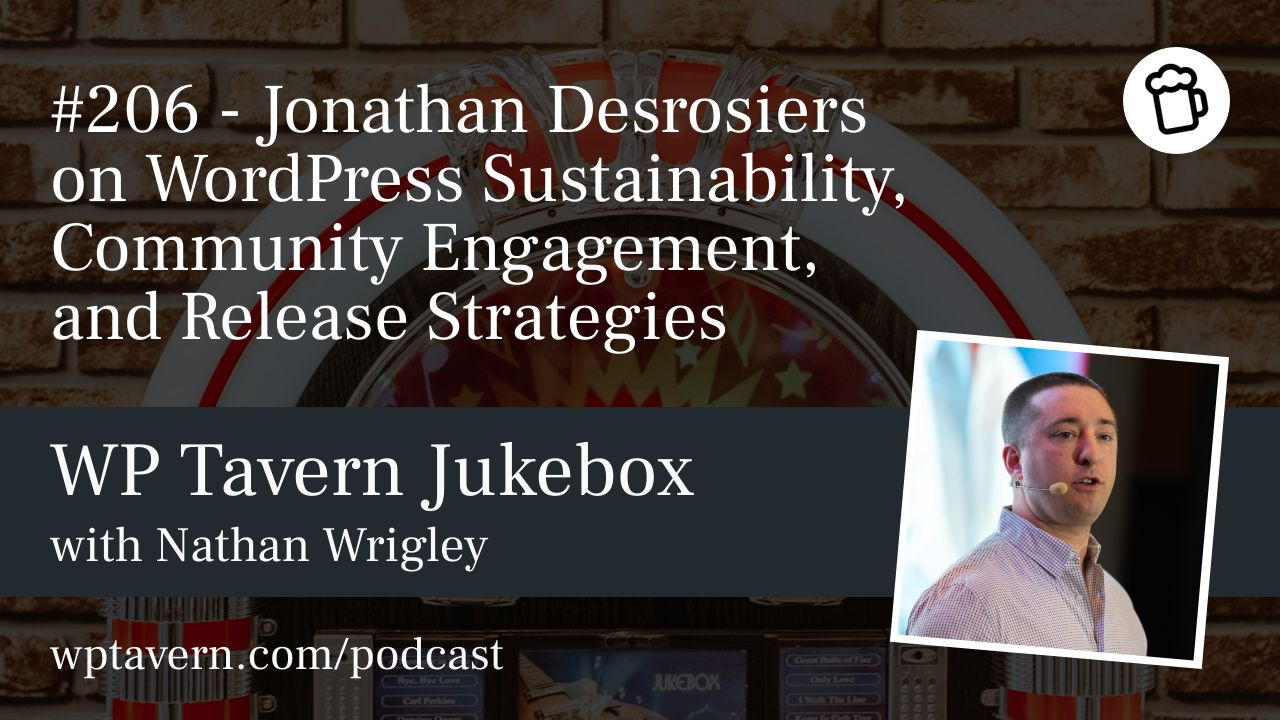
Core committer Jonathan Desrosiers sits down with Nathan Wrigley to unpack the logistical puzzle of aligning WordPress major releases with WordCamp events. They also cover rebuilding local meetups post-COVID and how AI is pulling fresh developers toward the open web.
Listen now
Delicious Brains breaks down how to use WordPress's built-in HTTP API like a professional: tight timeouts, defensive error checks, transient caching, and WP-Cron offloading. The definitive guide for anyone building plugin integrations.
Read the guide
Voting has closed for the WordPress Community Team's 2026 representative election, and the count is underway. The two top vote-getters will be formally confirmed, onboarded, and announced as the volunteer leaders guiding community events and meetup strategy for the year ahead.
See the updateThis week's news circles a single gravitational force: WordPress 7.0 and the Gutenberg releases powering it. Real-time collaboration, a standardized AI integration layer, and a visual admin overhaul signal that WordPress is no longer just catching up with modern web tooling. It is actively redefining its role in an AI-native web. Developers, designers, and content teams all have a reason to pay close attention.